
Exodus
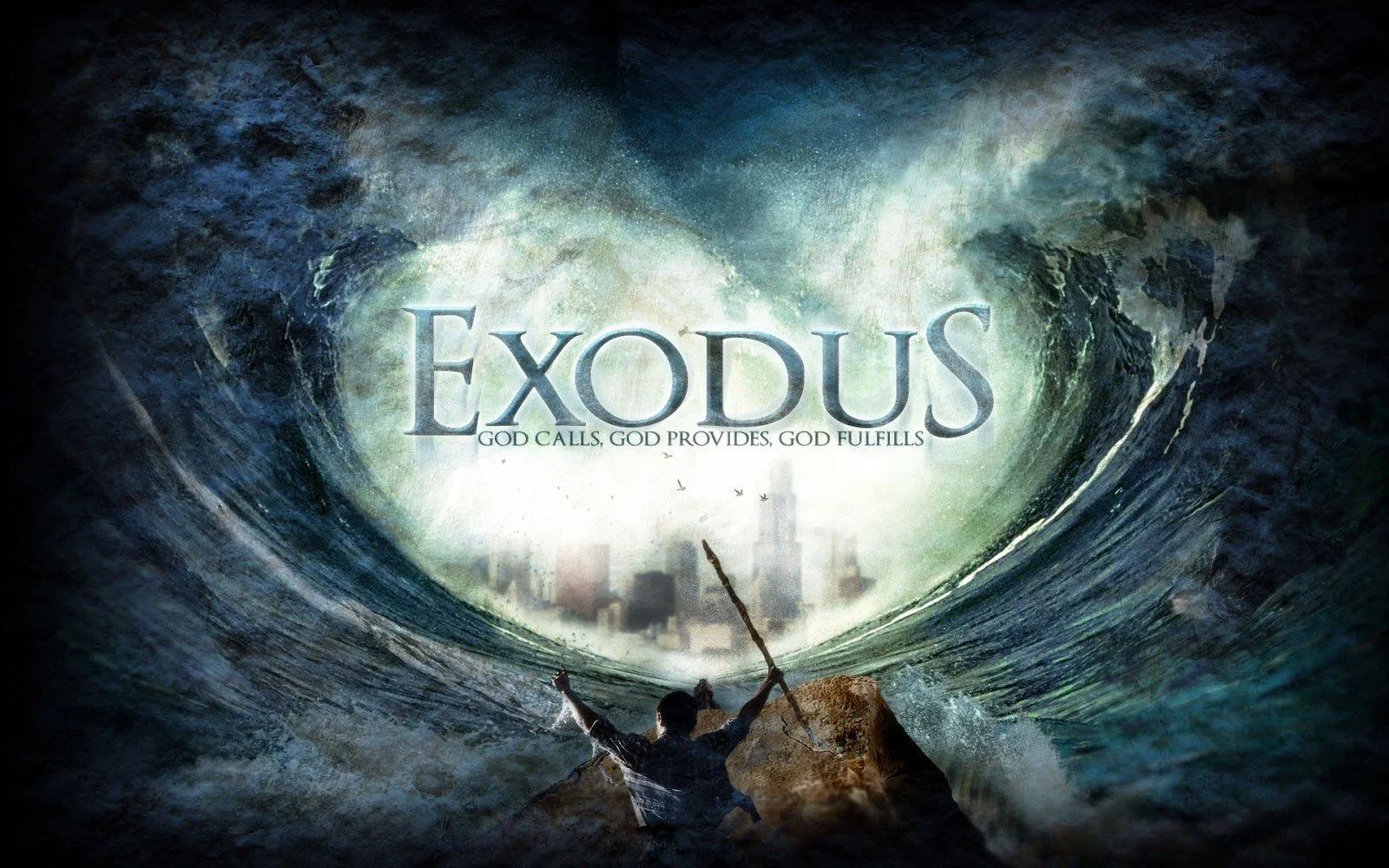
Exodus: God Call, God Provides, God Fulfills
Homework—November 12, 2025
In Genesis, we learned that the Sin of Adam and Eve was that they refused to trust God and wanted to be gods, themselves. We learned about God’s promise to Abraham and Sarah—that they would have many descendants, even though they were too old to have children. We learned a little about Isaac and Jacob and about Joseph, who was sold into slavery in Egypt but who gained Pharaoh’s favor and brought his whole family to Egypt when the land experienced famine.
That’s a lot! And now, in Exodus, we learn that after many years in Egypt, things have gone all wrong. In fear of an uprising, Pharaoh has made the Hebrews slaves and plotted to have all their male children killed. But instead of keeping them oppressed, his scheme brought about the one who would rescue them: Moses. God heard the people’s cries and sent Moses to free them from slavery.
After harsh negotiations between Moses (really, God) and Pharaoh, the people were finally allowed to leave, only to find themselves backed up against the Red Sea. But God brought them through. And when they were hungry or thirsty, God provided. One would think that would make them more trusting of God, but it doesn’t. Now, they find themselves at Mt. Sinai, and Moses leaves the people to go talk with God.
Watch: Bible Project Exodus #2
How are the Hebrews in the desert like Adam and Eve?
Throughout the story of Exodus, characters, including God, seem to follow a three-step pattern of behavior. We can learn to see (and hear), think (and pray), and act—to make our own and others’ lives more like God wants them to be.
For example:
See—God ‘saw’ or heard the people’s cries; “I have observed the misery of my people.”
Think—God considered the reality; “I know their sufferings.”
Act—God acts on behalf of the people; “I have come down to deliver them.”
Using these steps as a guide, tell about a way you solved or helped solve a problem this past month.
What was the problem (what did you see/hear/learn)?
What more did you need to know or think about (what did the problem mean to you or someone you cared about)?
What happened? What did you do? How were you a part of the solution?
God remained faithful to God’s covenant, even when the people turned from God.
Do a little google research. The Israelites wandered in the wilderness for 40 years—the span it took for the generation of those who remember Egypt to die out and a new generation to rise up. What other important events in the Bible reference the number 40?
What is a common theme throughout all of these events?
