“Harvest Time”
Third Sunday after Pentecost
June 14, 2026
Psalm 100
Matthew 9:35-10:8
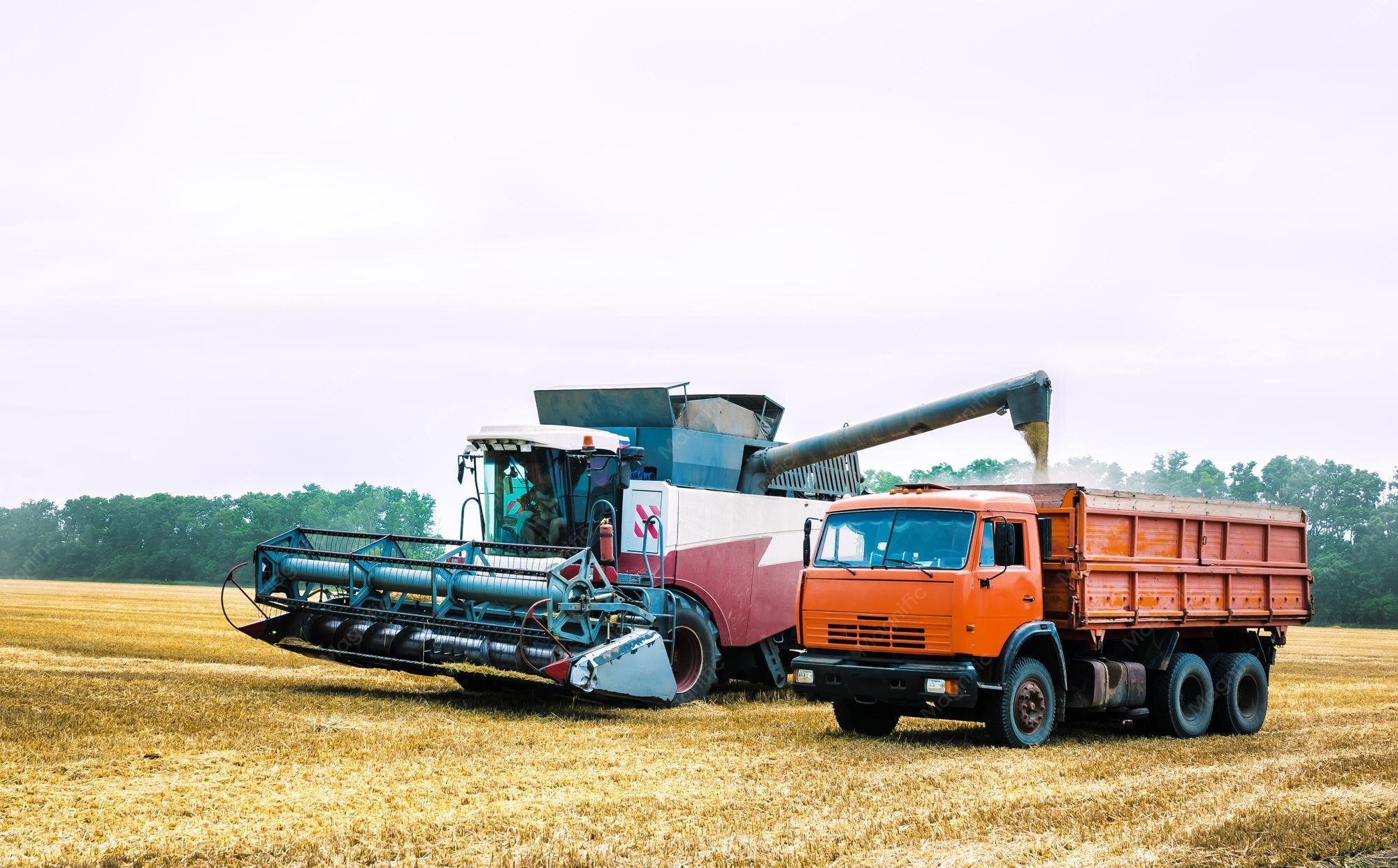
I grew up in a farming family. We grew winter wheat in the plains of Kansas. And when harvest came, it was all hands on deck. My grandparents, parents, aunts and uncles all took part. We didn’t have the biggest or fanciest combines or trucks. So there was always at least one piece of equipment getting fixed with duct tape and bailing wire.
Harvest time was always sort of fun—at least for us kids. We got to ride in the trucks going to drop off a load at the elevator in town. We’d get it line and wait, sucking on sunflower seeds and tossing them out the open windows. No such thing as A/C in those trucks. Someone from the elevator often brought cans of pop out to the drivers while we waited. And I would watch, enamored, out the back window as mom would pull the crank and the bed would slowly lift, spilling its contents into the grates below.
Then, it was back out to the field for the next round. Grandma would cook. And when we kids got older, we got to deliver food and water out to the fields. My last two summers in college, I worked at the elevator. Those were long, hot days. It wasn’t as much fun as an adult. And the equipment had gotten much bigger—custom cutters hired from far and wide coming to work the gigantic farms. Because the weather is fickle. The work is hard. And if the wheat isn’t brought in at the right time, everything can go sideways.
Rain stops the implements from moving in the mud. It makes the seeds too moist. It costs to put them through the drying process. And the results are less than ideal. And if there’s hail, all is often lost. A farmer’s life rests on the year’s harvest.
Jesus uses agricultural analogies frequently when he talks about God’s kin-dom. In today’s passage, he talks about the harvest. The harvest is bountiful, but the laborers are few. I used to think this meant that the people were ready ‘to be plucked’ for the kingdom—primed to accept the gospel. But now, I think he’s talking more about timeliness. There is great need, but who will go out and do the work? It can’t wait. Too much is riding on our response.
For example, according to research compiled by Justice in Action, 50% of Lincoln residents do not earn a living wage. More than half of LPS students qualify for free and reduced lunches. And with changes in SNAP, the needs will increase and the opportunities decrease. The harvest is abundant, but the laborers are few.
So, Jesus first tells his disciples to “Beg the overseer of the harvest to send laborers out to bring in the crops.” And then, he gathers those same disciples and sends them out. And their title changes from ‘disciple’, which means ‘follower’, to ‘apostle’, which means ‘one who is sent.’ Their role shifts. They are meant to be the solution to the prayer.
New Testament Professor Danny Zacharias says, “Sometimes our prayers are an urgent petition for God to do what only God can do in the world. Other times, prayer is aligning our hearts with God’s will for us to do what God asks of us.”
And here, God asks us to go. To preach, heal, and bring hope. If we were to keep reading in Matthew’s gospel, we would hear Jesus’ continued instructions to the apostles to travel light, taking nothing with them. Accept the hospitality given. And when it is not given, to let it go.
Rev. Dr. C. Gregory DeLoach points out that the Church struggles a bit with the idea of accepting hospitality. We’re built to offer it. Even at OSLC, we talk about how all are ‘welcome here.’ We are friendly and welcoming to all who enter. We accept everyone in their various and diverse expressions.
But as we’ve begun discussing what it means to go out, I know I feel a little squeamish. Many of us have been studying the Roxburgh book,” Joining God, Remaking Church, Changing the World,” and this is exactly what he talks about. That the Church is not called to be successful; we are called to be faithful. That the questions we ask and the actions we take should turn from those things we want for ourselves to what God is up to in our neighborhoods. Which means leaving the building so that we can listen, discern, and respond. And sometimes that response means being a guest rather than a host. Getting uncomfortable accepting someone else’s hospitality rather than expecting them to accept ours.
Though I have yet to go, I know several people from this congregation have gone to Tanzania. And I’ve heard stories about the banquets set to welcome these guests—and some of the local foods that are served. Foods that may cause an American to turn away. Food that has cost the community a great deal to offer.
Being a guest can be scary. Think of how you felt moving to a new city, starting a new job, going to a new church, starting a new school? It’s scary. Jesus sends us out, and DeLoach says, “If we do not go, we will not know.” We will not know how to love our neighbors if we do not know our neighbors. We will not know the vulnerability of being a guest in our house if we do not experience being a guest in someone else’s. And that knowledge helps make us better hosts, as well.
DeLoach shares a story his mentor writes about. A small church in inner city Atlanta had been getting smaller over the years until worship attendance was just 25 people. In their wisdom, someone suggested that as long as they continue to be church, they might as well do something useful for the community. The food insecurity in the area is great, so they opened up a food ministry on Tuesday mornings, and in no time, over 100 people were standing in line every week, waiting for food.
As church leaders circulated through the line assessing other needs, someone asked them if they could pray and maybe worship while they waited. So the church opened up the Sanctuary for any who wanted to wait there. Soon, people from the crowd were leading the singing, and others were preaching and giving testimony. And worship was happening.
When the members of the church heard about this, they recognized that worship was happening on Tuesday mornings. They stopped holding Sunday morning services for 25 people and joined the over 150 people gathered on Tuesday mornings.
DeLoach says, “Churches don’t grow, we grow; and when we grow, churches change; and when churches change, communities transform. God’s mission is to transform the world.”
The harvest is plentiful. The opportunities to learn and grow and worship and connect abound. The question for us now is simply this: where do we hear God’s heart resonating around us? How do we join in God’s work in this world? Our response is what happens when we believe our own proclamation: “The reign of heaven has drawn near.”
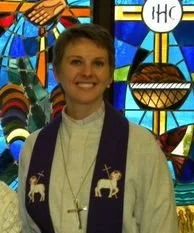
Pastor Tobi White
Our Saviour’s Lutheran Church
Lincoln, NE